What is "Right to Repair?"
The term "right to repair" is defined similarly to its name: If you own something, you should be able to repair it yourself or take it to a technician of your choice. This concept is well known when it comes to cars or appliances, but for technology or devices with a computer chip inside, it becomes difficult.
How Manufacturers Prevent you from Repairing Your Devices
- "Warranty Void If Removed" Sticker
- Using Rare of Proprietary Screws
- Gluing Instead of Using Screws
- Soldering Major Components Together to Make Upgrades and Repairs Impossible
- Making It Impossible to Disassemble a Device Without Destroying It
- Refusing to Sell Replacement Parts
- Claiming Repairs Are Impossible or Too Expensive
Many people fear trying to repair for the first time because they are afraid of voiding their warranty. This fear has translated into a fear of fixing stuff we own, which has caused people to become increasingly more disconnected from appliances and technology.
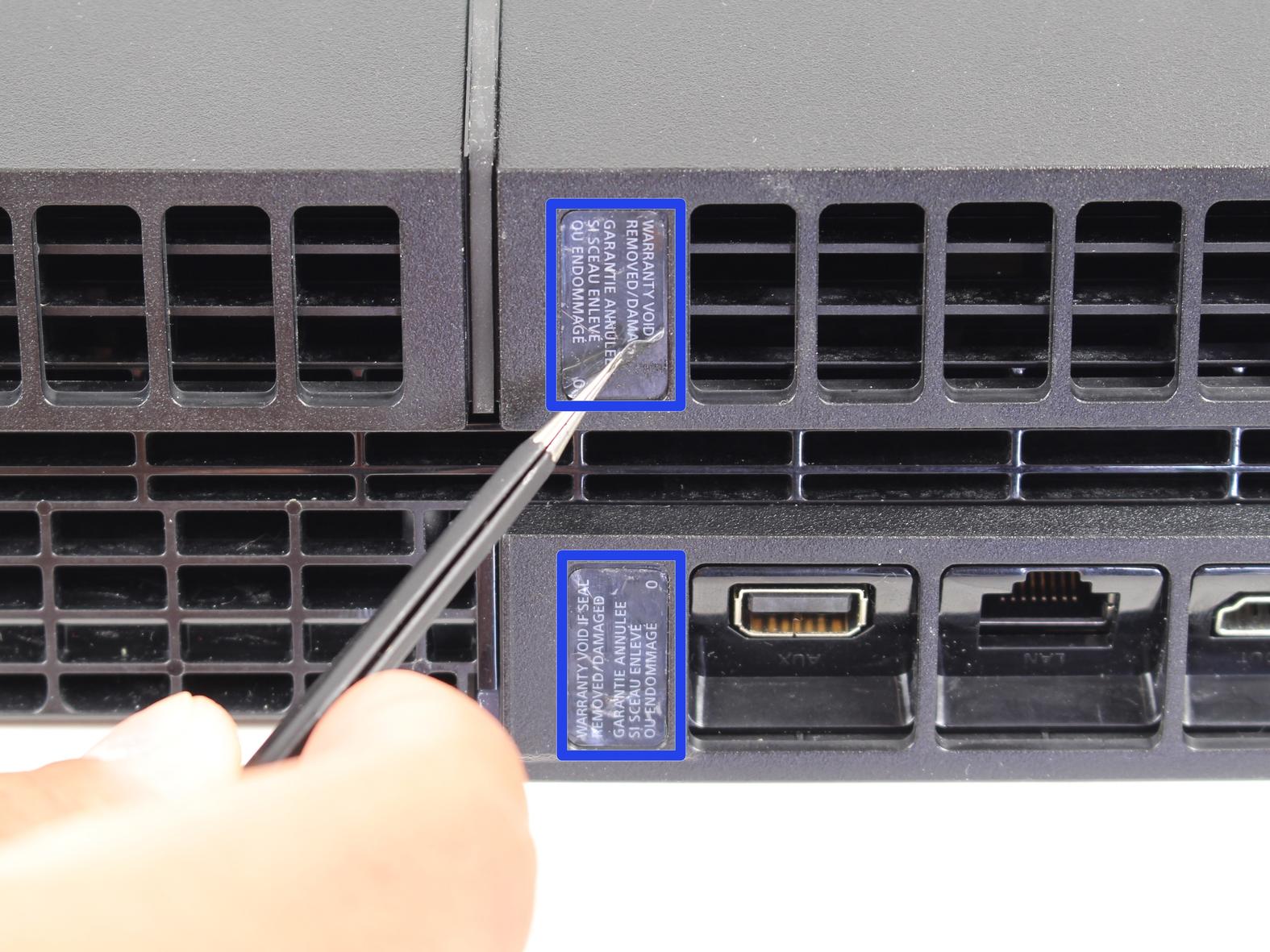
Sticker on outside of computer component
In the back panel of many devices, or even on the outside of that, many users will find a sticker that claims your warranty will be void if you break the seal. However, these stickers are illegal under the Magnuson-Moss Warranty Act of 1975, where it is mandated that you can open your electronics without voiding the warranty, regardless of what language of your warranty says. The manufacturer legally cannot deny a warranty repair for, say, your screen just because you replaced your own battery.
Most people own screwdrivers which can be used on repairs that use standard screws. Many manufacturers implemented using obscure harder to find screws that prevent you from getting inside the outer frame or structure in a computer or other device.
Apple leads an example of this, they created their own original screw design so obscure that many have never even heard of it. The original iPhone was designed with the philips screws until the iPhone switched to pentalobe screws. The pentalobe screw bears similarities to a tox screw, except that the points have a rounder shape, and have five points instead of six.

Difference of pentalobe screw vs. torx screw
This change in fasteners was only on the outside, whereas none of the interior screws were changed. From this their obvious intent was to tamper proof the iPhone.
To create a sleek design in devices, with no obvious seam, many manufacturers have started to use glue instead of screws. There are some legitimate reasons for this, like waterproofing. However, working with glue whilst doing a repair leads to immense challenges. Not only does it make the device more prone to break when separating, it can also be a hassle to replace.
Most laptops cannot be repaired due to the fact that most mobile CPUs are now soldered onto the motherboard. Manufacturers create them in this fashion from the factory to disincentivize users from repairing their devices.This usually comes with a label that says "no user serviceable parts inside".
There have been some claims that it makes the device lighter, however there are devices such as LG Gram and HP EliteBook which are repair-friendly and light which shows how soldering components to the motherboard unnecessarily eliminates the possibility of upgrades.
Manufacturers also create devices difficult or impossible to open, at least, without inflicting irreparable damage. For these types of devices, taking it apart equates destruction. This means if your device breaks, the manufacturer may give you a new device under warranty, but if your warranty has ended, you will likely have to buy another device altogether.
Outside of design choices to prevent repair, many companies also choose not to offer official replacement parts for individuals to repair their own technology. This makes it very hard to find quality replacement parts, and the market floods with low quality imitations that do not perform well. Additionally, even when you can find an original equipment manufacturer part, sometimes manufacturers will put restrictions in place that prevent you from using it to the fullest. For example if you were to replace the screen on your iPhone, certain features like TrueTone won't work correctly. This compels users to go directly to the manufacturer for repairs.
Manufacturers discourage repairs telling users that certain repairs cannot be done, despite the ability of independent shops. An example of this is Apple, they won't help you recover data on a water damaged iPhone, nor will they refer you to third-party shops who can. In other cases, they may quote a repair price that is high enough that most customers will buy a new device.
The Bottom Line
Legally consumers are mostly already allowed to repair whatever they buy. Nonetheless, companies and manufacturers make this difficult with a variety of tactics that discourage repairs.
Those looking to repair must also consider the benefits despite these tactics. When you repair instead of replace, your devices last longer, you prevent e-waste, and you save money. Many times manufacturers would rather you buy something new to spend money on their products.